

7 traductions visuelles pour les vidéos de commerce électronique
Guide de l'acheteur - Traduction visuelle pour les vidéos de commerce électronique
Sept jeux de traduction visuelle qui permettent aux vidéos de commerce électronique de donner l'impression d'être natives et de mieux convertir sur mobile, même en mode silencieux.
Vendre à l'international n'est plus seulement une question de sous-titres. Dans le domaine du commerce électronique, les acheteurs décident rapidement, souvent sur mobile, et souvent avec le son coupé. Ce guide présente sept exemples pratiques de traduction visuelle avant et après que vous pouvez copier, en mettant l'accent sur ce qui change à l'écran, pourquoi cela importe pour la conversion et ce à quoi ressemble une “bonne” localisation de la voix, des sous-titres et du texte dans le cadre.
Comment nous avons sélectionné ces outils
Pour établir cette liste d'exemples de traductions visuelles que les équipes de commerce électronique peuvent réellement utiliser, chaque choix devait présenter un véritable changement avant et après, qui aille au-delà des sous-titres. Nous avons donné la priorité aux formats de commerce électronique courants et aux améliorations qui peuvent s'adapter aux flux de travail modernes de l'IA, où les humains se concentrent sur la révision, la terminologie et l'adaptation critique de la marque.
- Une lisibilité adaptée aux mobiles : Le message doit être compréhensible sur un téléphone, y compris en mode silencieux.
- Précision de la superposition : Les spécifications, les tailles, les dates, les prix, les seuils et les revendications doivent être adaptés au marché cible.
- Résilience de la mise en page : Les traductions longues (souvent de l'anglais vers l'allemand ou le russe) ne doivent pas imposer des polices de caractères minuscules ou des lignes étroites.
- Alignement des temps : Les incrustations et les légendes doivent apparaître lorsque l'élément est montré et lorsqu'il est mentionné.
- Cohérence et gouvernance de la marque : La terminologie reste cohérente d'une ligne de produits à l'autre et les corrections sont prises en compte dans les boucles de retour d'information (TextUnited souligne comment l'absence de terminologie et de systèmes de retour d'information entraîne des erreurs répétées).
Les conseils de l'industrie soutiennent également la planification de la cohérence visuelle : Shift8 note que la normalisation des visuels des produits (éclairage, arrière-plans, proportions) peut augmenter les taux d'ajout au panier, citant des tests A/B montrant une augmentation des taux d'ajout au panier. 15% uplift de cette normalisation. Ils recommandent également des formats de nouvelle génération tels que WebP et AVIF, qui permet de compresser les images 30 à 50% par rapport au format JPEG, ce qui permet de maintenir des temps de chargement rapides qui influencent la visibilité dans les moteurs de recherche et la conversion.
Les prix indiqués dans ce guide sont relatifs : $ (effort léger), $$ (travail standard), $$$ (polissage élevé ou finition humaine).
Boucle de produit en sourdine (15 à 30 secondes)
Le choix de la rédaction
L'ascenseur de conversion le plus rapide provient de la traduction de ce que les gens voient réellement lorsque le son est désactivé.
Avant et après (ce qui change)
Avant (échec courant)
- L'audio est doublé, mais la boucle s'affiche en sourdine.
- Les appels à l'écran restent dans la langue d'origine.
- Les points clés “pourquoi acheter” sont seulement évoqués, pas montrés.
- Les acheteurs internationaux voient le mouvement mais ne voient pas le sens.
Après (ce qui fonctionne)
- Les incrustations portent le message : avantage, preuve et résultat.
- Les sous-titres sont adaptés aux téléphones et ne sont pas trop denses.
- Des zones de sécurité empêchent le texte traduit d'entrer en collision avec le produit.
Les conseils de traduction visuelle de Vozo soulignent que l'audio seul n'est pas suffisant pour les vidéos de commerce électronique, en particulier lorsque les plateformes et les pages de produits proposent par défaut une lecture en sourdine. Les meilleures pratiques de type Swarmify préconisent également un état d'esprit du type “fonctionne d'abord sur un téléphone”.
Pour
- Impact élevé par seconde de vidéo car les incrustations deviennent le message principal.
- Généralement plus rapide à localiser que le contenu narratif car la structure est reproductible.
- Améliore la compréhension même pour les locuteurs natifs qui regardent en sourdine au travail ou dans les transports.
Cons
- Nécessite une synchronisation et un espacement minutieux de la superposition pour éviter l'encombrement visuel.
- Nécessite des règles terminologiques strictes pour les prestations et les spécifications dans l'ensemble du catalogue.
En bref
Si vous ne choisissez qu'un seul type de vidéo pour la traduction visuelle, choisissez la boucle de produit en sourdine car elle affecte directement le comportement d'ajout au panier. Choisissez-le lorsque le trafic international arrive sur des PDP et a besoin d'une compréhension instantanée ; envisagez d'autres choix si votre principale friction est la confusion après l'achat ou les lacunes de confiance dues aux spécifications.
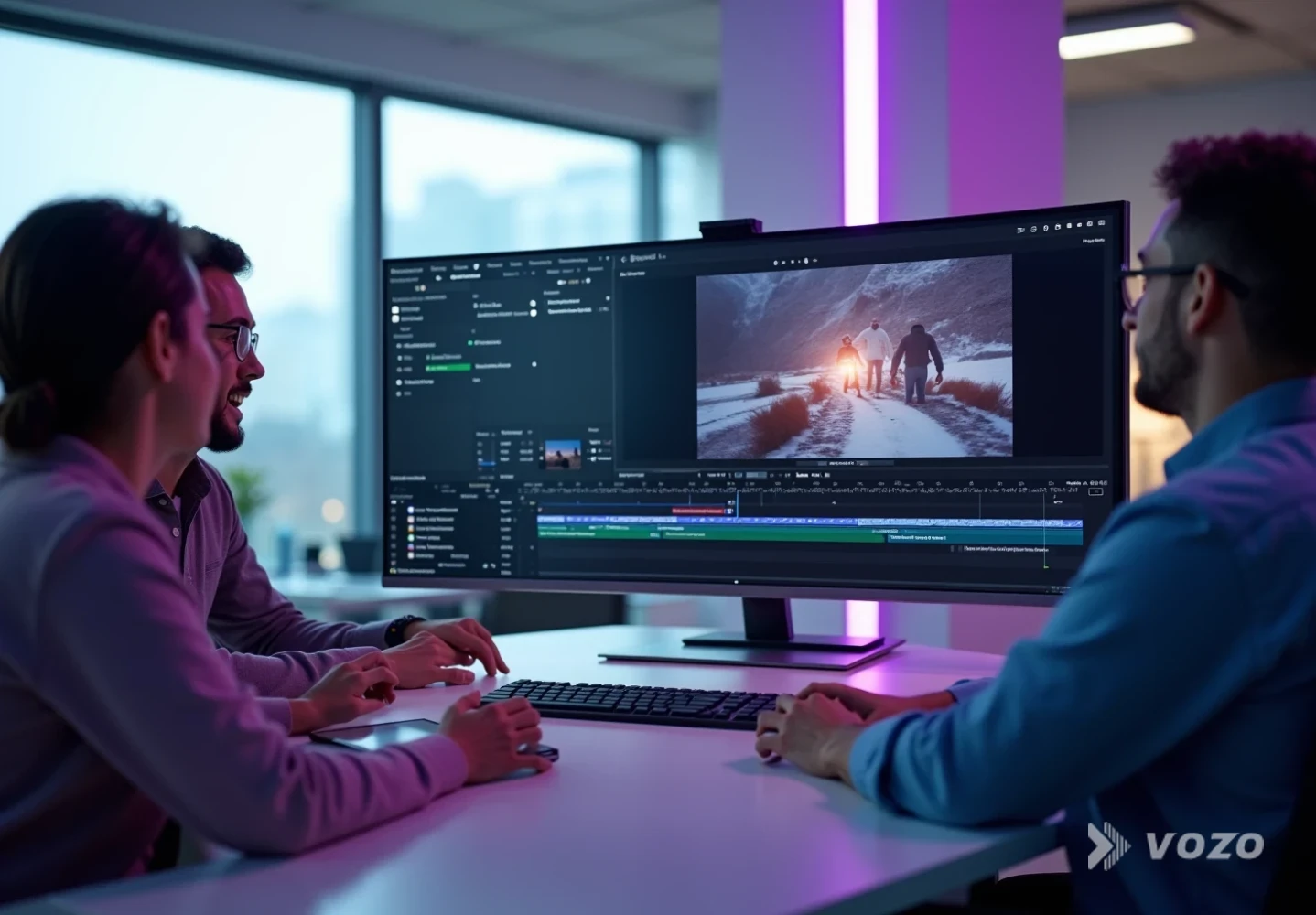
Les références des spécifications dans une démo de gadget
Meilleur pour la précision
Les spécifications suscitent la confiance, mais seulement si elles sont localisées avec précision et affichées proprement.
Avant et après (ce qui change)
Avant
- Les étiquettes à l'écran sont traduites littéralement, mais les unités dérivent (pouces contre centimètres, Wh contre mAh) ou apparaissent de manière incohérente.
- Les retours à la ligne sont maladroits et la police de caractères est rétrécie pour les mots longs.
- Les notes de compatibilité apparaissent trop tard, après que la fonctionnalité a déjà été présentée.
Après
- Les spécifications proviennent d'une source de vérité (PIM ou fiche produit), puis sont localisées à partir de là.
- Les superpositions ont été repensées pour permettre l'expansion tout en restant lisibles sur les téléphones portables.
- Le timing est synchronisé de manière à ce que la spécification apparaisse exactement au moment où les mains font la démonstration de la fonction.
Vozo recommande de créer une “carte du texte” en balayant lentement la vidéo et en capturant chaque moment où le texte apparaît, afin que les équipes ne manquent pas les petites superpositions qui ont de l'importance. Ils soulignent également une réalité fondamentale : la longueur de la traduction modifie la mise en page, de sorte que l'espacement et les zones de sécurité doivent être planifiés.
Pour
- La confiance s'accroît fortement dans les catégories à forte spécificité où les acheteurs comparent rapidement.
- Réduit les retours dus à une mauvaise compréhension des mesures, de la puissance ou de la compatibilité.
- Créer des règles de localisation réutilisables pour les futurs lancements de produits.
Cons
- Nécessite une gouvernance disciplinée des données afin que les vidéos, la copie du PDP et l'emballage ne soient pas en désaccord.
- Nécessite une approche de la mise en page qui puisse gérer l'expansion des langues longues sans se réduire à des tailles illisibles.
En bref
Il s'agit de l'un des modèles de traduction de texte à l'écran les plus précieux, car les petites erreurs de spécifications peuvent coûter cher en termes de retours et de confiance des clients. Choisissez-le lorsque les spécifications sont un élément déclencheur de l'achat. Privilégiez-le si votre produit se vend principalement sur la base d'images de style de vie et que le message principal n'est pas technique.

Offre promotionnelle à durée limitée (prix, taxes, frais de port)
Le meilleur pour les promotions
La localisation des offres ne consiste pas à “traduire les mots”, mais à “correspondre aux attentes des acheteurs locaux”.”
Avant et après (ce qui change)
Avant
- Le prix n'apparaît pas dans le bon format pour le marché (virgule décimale contre virgule décimale, placement des symboles).
- “Livraison gratuite à partir de $X” est traduit mais n'est pas localisé en fonction de la devise ou de seuils réalistes.
- Les attentes en matière de TVA et de prix forfaitaires ne sont pas prises en compte, ce qui crée des surprises à la caisse.
Après
- L'offre est adaptée aux conventions locales (par exemple, les prix allemands incluent souvent la TVA et utilisent une virgule décimale comme 49,99 €).
- Les déclarations d'expédition et de livraison correspondent aux normes locales, et pas seulement à la langue.
- Les clauses de non-responsabilité sont placées là où elles sont lisibles, plutôt que cachées dans un texte minuscule.
Taia donne un exemple clair de localisation qui va au-delà de la traduction grâce à des attentes de tarification et de formatage spécifiques au marché. Ils partagent également des conseils pragmatiques en matière de coûts, notant que les tarifs de localisation typiques se situent autour de $0,10 à $0,20 par mot pour les contenus nécessitant un contexte et une expertise, ainsi que l'idée d'échelonner les efforts entre les différents types de contenus.
Pour
- Moins de surprises à la caisse, ce qui améliore la confiance et réduit le nombre de paniers abandonnés.
- Une meilleure conformité des publicités et des promotions grâce à des informations correctes pour le marché.
- Impact de conversion élevé car l'offre est le message, et non un détail complémentaire.
Cons
- Il faut s'aligner sur les équipes juridiques, financières et de tarification avant la publication.
- Toutes les structures d'offre ne se traduisent pas clairement sur les différents marchés, et certaines doivent donc être repensées.
En bref
C'est dans les vidéos promotionnelles que la localisation “presque correcte” fait le plus mal, car les petites différences suscitent un scepticisme immédiat. Choisissez cette option lorsque vous proposez des remises limitées dans le temps, des offres groupées ou des incitations à l'expédition ; si votre marque propose rarement des promotions, concentrez-vous d'abord sur des boucles de produits en sourdine ou des démonstrations de spécifications.
Vidéo sur la taille et l'ajustement des vêtements
Meilleur pour la réduction des retours
La localisation des vêtements se fait en éliminant les ambiguïtés, et non en ajoutant du texte.
Avant et après (ce qui change)
Avant
- Les recouvrements de taille restent dans le système d'unités d'origine.
- La vidéo indique “taille réelle”, mais le tableau à l'écran est confus ou n'est pas traduit.
- Les conseils en matière de retour sont absents ou peu clairs, ce qui accroît l'hésitation.
Après
- Les unités sont localisées et cohérentes dans toutes les mentions (incrustations, légendes, narration).
- Les superpositions se concentrent sur la décision la plus difficile à prendre pour les acheteurs : la taille à choisir.
- Des comparaisons visuelles (différentes tailles sur le corps) sont associées à des légendes simples en langue locale.
Cela correspond à la tendance vers un contenu visuel digeste qui communique rapidement dans les contextes de navigation du commerce électronique, où l'attention est limitée et les décisions rapides.
Pour
- Réduit les retours et les réclamations pour “mauvaise taille” en clarifiant le point de décision.
- Améliore la confiance des nouveaux acheteurs internationaux qui ne sont pas familiarisés avec la marque.
- Se prête bien à la réutilisation pour des formes courtes dans les réseaux sociaux payants, où la clarté de l'adaptation augmente l'intention.
Cons
- Nécessite une conversion minutieuse et des contrôles de cohérence entre les régions et les UGS.
- Certains concepts adaptés doivent être transcrits pour paraître naturels et non littéraux.
En bref
L'habillement est une catégorie de traduction visuelle parfaite avant et après, car la clarté influe directement sur la conversion et les retours. Choisissez cette catégorie lorsque l'incertitude de la taille est une objection majeure ; si votre produit présente des variations de taille minimes, donnez la priorité aux rappels de spécifications ou aux vidéos de place de marché en mode silencieux.
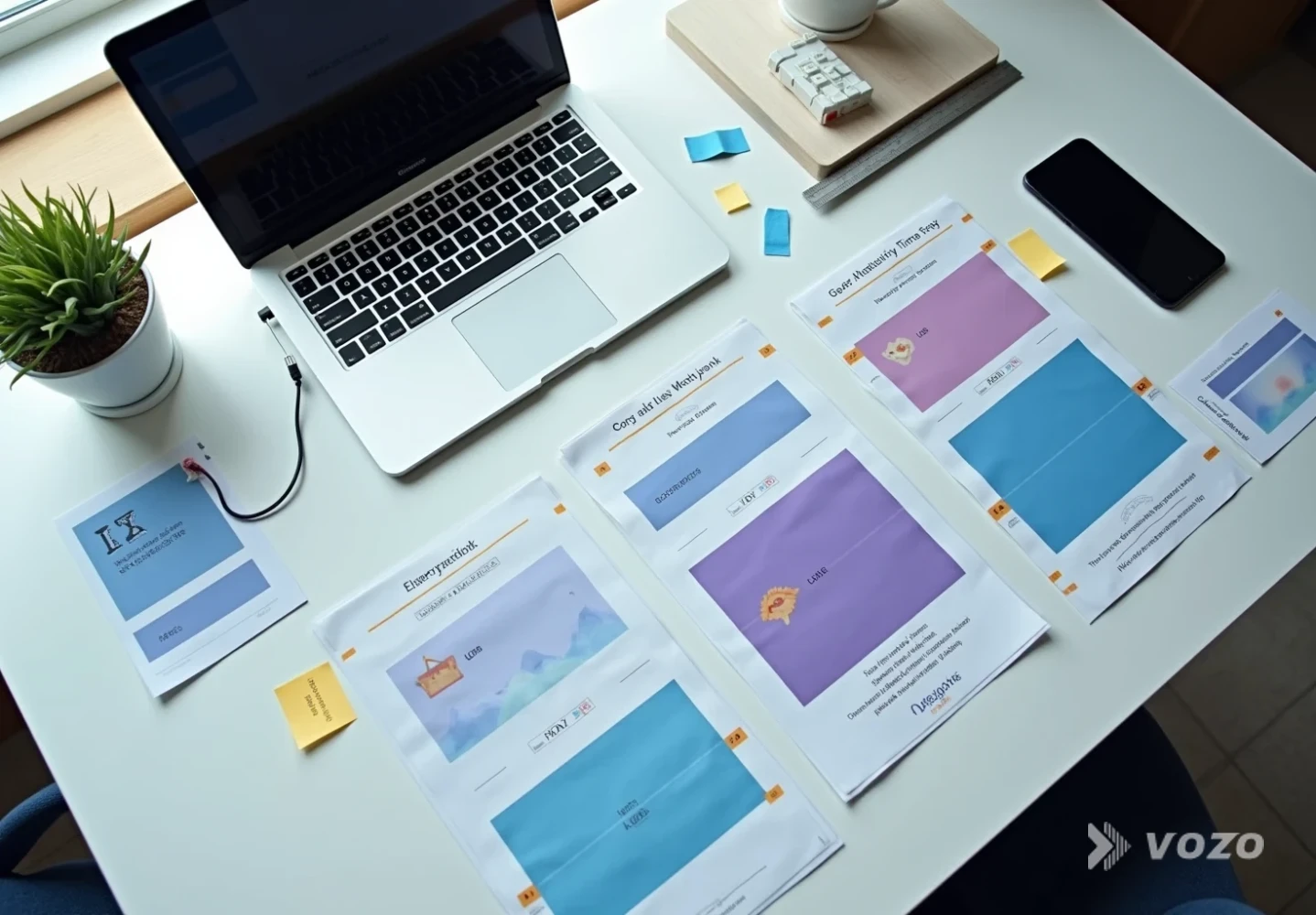
Tutoriel de configuration post-achat
Meilleur pour l'épargne de soutien
La localisation des didacticiels est doublement rentable : des clients plus satisfaits et une charge d'assistance réduite.
Avant et après (ce qui change)
Avant
- Il existe des sous-titres, mais les étiquettes de l'interface utilisateur à l'écran restent dans la langue d'origine.
- La narration doublée fait référence aux boutons qui ne correspondent pas à l'interface utilisateur de l'application localisée.
- Les pas sont trop rapides pour les spectateurs non natifs, ce qui augmente les rediffusions et la confusion.
Après
- Les étiquettes de l'interface utilisateur correspondent à l'interface du produit localisé, et non à une traduction littérale.
- Les légendes et les incrustations sont synchronisées avec chaque étape (toucher, confirmer, basculer, enregistrer).
- Un glossaire permet de s'assurer que le même nom de fonctionnalité est utilisé partout dans les vidéos et les documents d'aide.
XTM note que la localisation des vidéos affecte la portée, la confiance et la conversion, et que les contextes réglementés ou techniques peuvent nécessiter l'échange de sections entières pour répondre aux exigences locales plutôt que de se contenter d'une simple traduction. TextUnited ajoute que les flux de travail modernes ont besoin de gouvernance, en particulier d'une terminologie cohérente et de boucles de rétroaction afin que les mêmes erreurs ne se reproduisent pas.
Pour
- Diminution du volume d'assistance au fil du temps parce que les clients réussissent dès la première tentative.
- Amélioration des évaluations et de la fidélisation, en particulier pour les flux d'accueil des abonnés.
- Forte réutilisation interne entre les régions, les équipes chargées de la réussite des clients et les équipes chargées des produits.
Cons
- Nécessite une coordination avec la localisation du produit et de l'interface utilisateur pour que les étiquettes soient correctes.
- Nécessite un contrôle qualité pour l'exactitude des étapes, en particulier après les mises à jour de l'application.
En bref
Les tutoriels sont l'une des meilleures études de cas de traduction visuelle interne, car les résultats sont mesurables en termes de tickets et de CSAT. Si votre produit est simple, investissez d'abord dans les boucles PDP et les vidéos de la place de marché, où la conversion a lieu plus tôt.
Vidéo d'inscription sur la place de marché (silencieuse d'abord et conforme)
Victoire du meilleur budget
Les vidéos de marché gagnent lorsque le message survit à la sourdine, aux petits écrans et aux règles strictes.
Avant et après (ce qui change)
Avant
- La vidéo est doublée, mais la première image contient encore un texte en langue étrangère.
- Les légendes sont trop petites ou trop tardives, de sorte que l'accroche est perdue.
- Le CTA est mal interprété ou culturellement décalé, ce qui peut réduire la confiance.
Après
- L'incrustation de la première image est localisée et lisible sur mobile.
- Les sous-titres sont conçus pour être mis en sourdine et pour permettre un défilement rapide.
- Les allégations et les clauses de non-responsabilité correspondent aux attentes du marché dans cette région.
Les conseils de Vozo comprennent un test brutal mais utile : si le message n'est pas diffusé en sourdine, la vidéo est moins performante. C'est particulièrement vrai pour les places de marché où les acheteurs comparent rapidement et où les signaux de confiance sont importants.
Pour
- Effet de levier important pour la conversion des marchés où l'attention est courte.
- La localisation est souvent plus rapide que pour les créations de longue durée, car la structure est limitée.
- Test A/B facile pour les vignettes et les premières incrustations en fonction de la langue.
Cons
- Les contraintes de temps et de mise en page peuvent obliger à hiérarchiser les messages.
- Nécessite un examen minutieux des demandes d'indemnisation et de la conformité afin d'éviter les problèmes de politique générale.
En bref
Les vidéos de place de marché constituent un point de départ pratique, car l“”avant“ est souvent une traduction audio uniquement, et l”"après" est immédiatement plus clair. Choisissez cette option lorsque vous avez besoin de gains rapides dans les régions et les listes ; utilisez les CGU et les choix d'offres lorsque la persuasion et la nuance sont plus importantes.
Annonce de créateur de type UGC (réécriture et incrustations locales)
Le meilleur pour les services sociaux payants
Pour les services sociaux payants, le “après” n'est pas une traduction parfaite, c'est la cadence et l'intention de la langue maternelle.
Avant et après (ce qui change)
Avant
- Le doublage est précis mais semble rigide, ce qui donne l'impression d'une publicité faite pour quelqu'un d'autre.
- L'accroche utilise des expressions idiomatiques qui ne conviennent pas au marché cible.
- Les sous-titres à l'écran sont traduits littéralement et sont trop longs, ce qui oblige à utiliser des polices de caractères minuscules.
Après
- Le texte est légèrement réécrit dans un souci d'efficacité et de concision, tout en conservant l'esprit du créateur.
- Les incrustations sont écourtées et remises à l'heure pour correspondre à un rythme social percutant.
- La synchronisation labiale est améliorée lorsque cela est nécessaire, en particulier pour les segments de conversation en gros plan.
3Play Media note que le doublage par IA est prêt pour la production dans de nombreuses catégories d'entreprises, mais que les imperfections de la synchronisation labiale et les nuances émotionnelles peuvent encore nécessiter une finition humaine pour les contenus à fort enjeu. C'est pourquoi les flux de travail hybrides sont courants : l'IA pour la vitesse et l'échelle, les humains pour la finition critique de la marque.
Pour
- Forte augmentation des performances sur les réseaux sociaux payants (temps de visionnage et CTR) lorsque le ton semble natif.
- Modifie rapidement les variantes publicitaires en fonction du marché tout en conservant une voix cohérente pour la marque.
- S'associe bien à un glossaire pour que les revendications de produits et les noms de caractéristiques restent cohérents.
Cons
- Il faut faire preuve de créativité et ne pas se contenter d'un examen linguistique pour garder l'intention intacte.
- Nécessite un contrôle qualité supplémentaire pour les réclamations, les offres et l'adéquation culturelle, car les annonces sont à haut risque.
En bref
Si le paid social international est un levier de croissance, c'est l'une des catégories de résultats de traduction de vidéos de commerce électronique qui a le plus d'impact, car elle affecte immédiatement les performances. Si vous avez besoin d'une localisation plus rapide et moins coûteuse, commencez par les vidéos de la place de marché et les boucles de produits en sourdine.

Comparaison rapide des meilleurs choix
| Outil | Meilleur pour | Niveau de prix | Points forts |
|---|---|---|---|
| Boucle de produit en sourdine (Autoplay) | Les PDP et les pages d'atterrissage qui s'affichent automatiquement en mode silencieux. | $$ | Les incrustations deviennent le message principal ; la compréhension mobile est immédiate. |
| Les références des spécifications dans une démo de gadget | Décisions d'achat axées sur l'électronique et les spécifications. | $$ | Unités localisées précises et compatibilité ; superpositions de spécifications sûres pour la mise en page. |
| Offre promotionnelle à durée limitée | Campagnes avec prix, frais d'expédition et clauses de non-responsabilité. | $$ | Des normes monétaires et de TVA conformes au marché ; moins de surprises à la caisse. |
| Vidéo d'inscription sur la place de marché | Des comparaisons rapides dans le respect des règles strictes du marché. | $ à $$ | Accroche et CTA silencieux ; zones de sécurité et allégations conformes. |
| Annonce de créateur de type UGC | Développer les créatifs sociaux rémunérés à l'échelle internationale. | $$ à $$$ | Cadence native grâce à la réécriture ; légendes plus serrées ; synchronisation labiale optionnelle. |
Recommandation sur l'outillage (Choix de la rédaction)
Si l'objectif est de fournir une véritable traduction visuelle, et pas seulement des sous-titres, un flux de travail intégré est important. Vozo Video Translator est très bien adapté car il combine la traduction multilingue, le doublage naturel avec clonage de voix (VoiceREAL™), la synchronisation labiale optionnelle (LipREAL™) et un éditeur intégré pour la relecture et les améliorations. Cette combinaison est particulièrement utile lorsqu'un CTA superposé doit être resserré pour s'adapter à la mise en page, ou lorsqu'une ligne de spécification doit être à la fois précise et suffisamment courte pour être lue sur un téléphone.
Pour les équipes qui disposent déjà de pistes audio et qui ont principalement besoin de mouvements de bouche pour correspondre aux voix off localisées, Vozo Lip Sync peut aider à peaufiner les segments de proximité où les paroles mal assorties sont gênantes.
FAQ sur l'achat de traductions visuelles pour les vidéos de commerce électronique
Quelle est la différence entre les sous-titres et la traduction visuelle ?
Les sous-titres traduisent les mots prononcés. La traduction visuelle localise l'ensemble de la signification à l'écran, y compris les incrustations, les étiquettes, les prix, les unités et la synchronisation. Dans le commerce électronique, ces éléments visuels véhiculent souvent le message de conversion, en particulier lorsque les vidéos sont diffusées en mode silencieux.
Pourquoi les traductions audio sont-elles moins performantes dans le commerce électronique ?
De nombreuses vidéos de produits sont diffusées en mode silencieux sur les pages de produits et dans les flux sociaux. Si l'avantage principal n'est que parlé, les téléspectateurs internationaux ne le voient pas et la vidéo devient un mouvement dénué de sens. Un test pratique consiste à évaluer les 3 à 5 premières secondes en mode silencieux sur un téléphone.
Quelles sont les langues qui posent le plus de problèmes de mise en page ?
Les langues qui s'étendent par rapport à l'anglais (souvent l'allemand et le russe) provoquent souvent des superpositions exiguës, des sauts de ligne gênants ou des polices de caractères minuscules forcées. Prévoyez des zones de sécurité et des modèles flexibles pour que le texte puisse s'étoffer tout en restant lisible.
Comment les équipes peuvent-elles éviter de répéter les mêmes erreurs de traduction à grande échelle ?
Utilisez un glossaire et des règles terminologiques, ainsi qu'une boucle de rétroaction qui enregistre les corrections humaines et les réintègre dans les projets futurs. TextUnited souligne que sans ces systèmes, les équipes continuent à corriger les mêmes erreurs, même avec des modèles de traduction solides.
Avez-vous besoin d'un examen humain ?
Pour les contenus à forte teneur en spécifications, réglementés ou critiques pour la marque, oui. De nombreuses équipes utilisent un modèle hybride : L'IA pour la rapidité, les humains pour l'assurance qualité, l'application de la terminologie et l'adaptation culturelle. Une approche pratique consiste à hiérarchiser les efforts en fonction du risque, avec un examen plus approfondi des offres, des réclamations et des spécifications techniques.
Qu'est-ce qu'une première étape pratique s'il existe des dizaines de vidéos ?
Commencez par les formats les plus percutants : les boucles de produits en sourdine, les vidéos de présentation sur les places de marché et les publicités sociales les plus payantes. Créez ensuite des modèles et un glossaire pour que chaque nouvelle localisation soit plus rapide et plus cohérente d'une région à l'autre.
Transformer “traduit” en “natif”
La différence entre “nous avons traduit l'audio” et “j'ai l'impression que c'est fait pour moi” est le point de départ de la croissance internationale. Ces sept exemples "avant-après" montrent un modèle reproductible : donner la priorité à la lisibilité mobile, localiser le texte à l'écran (et pas seulement la narration) et aligner le timing sur ce qui est montré.
Lors du prochain lancement ou de la prochaine campagne sur plusieurs marchés, un flux de travail intégré peut aider les équipes à avancer plus rapidement tout en respectant les détails, en particulier les incrustations et les modifications qui favorisent la conversion.
