
Live Commerce Replays weltweit übersetzen
Live-Commerce ist nicht mehr nur live. Tatsächlich wird ein großer Teil der Einnahmen nach dem Ende des Streams erzielt. Caast berichtet, dass 70% der dem Live-Handel zugeschriebenen Umsätze stammen aus Wiederholungen, und nicht die Live-Übertragung selbst. Das ändert das Spiel: Wenn Ihre Wiederholung nur in einer Sprache verständlich ist, lassen Sie den größten Teil des Long-Tail-Wertes auf dem Tisch liegen.
Ich zeige Ihnen, wie Sie Live-Commerce-Wiedergabeinhalte für internationale Märkte übersetzen können, ohne Ihre Postproduktion in ein Chaos zu verwandeln. Sie erhalten einen praktischen Schritt-für-Schritt-Workflow, echte Lokalisierungsbeispiele (Währung, Einheiten, kulturelle Referenzen) und eine klare Möglichkeit, je nach Budget und Zielen zwischen Untertiteln, Synchronisation und Lippensynchronisation zu wählen.
Was ist die Lokalisierung von Live-Commerce-Wiedergabevideos?
Lokalisierung von Live-Stream-Wiedergabevideos ist der Prozess der Anpassung eines aufgezeichneten Live-Shopping-Streams für eine bestimmte Region und Sprache, so dass er sich für das jeweilige Publikum einheimisch anfühlt.
Es geht um mehr als den Austausch von Wörtern.
- Übersetzung ändert die Sprache.
- Lokalisierung passt das gesamte Seh- und Einkaufserlebnis an, einschließlich:
- Gesprochener Ton (Synchronisation oder Voiceover)
- Untertitel und Untertitel
- Text und Grafiken auf dem Bildschirm (Größenangaben, Werbeeinblendungen, CTAs)
- Kulturelle Bezüge und Beispiele
- Währung, Datumsformate, Maßeinheiten
- Pacing und Timing (einige Sprachen sind umfangreicher und benötigen mehr Bildschirmzeit)
Dieser Ansatz, bei dem die Lokalisierung an erster Stelle steht, wird heute allgemein für Videoprogramme mit hohem Volumen empfohlen, da er das Problem des ständigen Nachrüstens zu einem späteren Zeitpunkt verhindert. Der XTM-Leitfaden für bewährte Verfahren 2026 hebt hervor, dass Workflows, bei denen die Lokalisierung im Vordergrund steht, besonders effektiv sind, wenn Sie viele Videos in mehreren Sprachen veröffentlichen und häufige Aktualisierungen benötigen.
Außerdem zahlt sich die Lokalisierung in der Regel aus. Der InfluenceFlow-Leitfaden 2026 führt an, dass Unternehmen mit starken Lokalisierungsprogrammen 30 bis 40% höheres Engagement auf neuen Märkten.
Schritt 1: Wählen Sie die übersetzungswürdigen Wiedergabesegmente aus
Eine 60-minütige Live-Wiederholung ist selten die richtige Arbeitseinheit. Beginnen Sie damit, die Teile zu identifizieren, die international Wert schaffen:
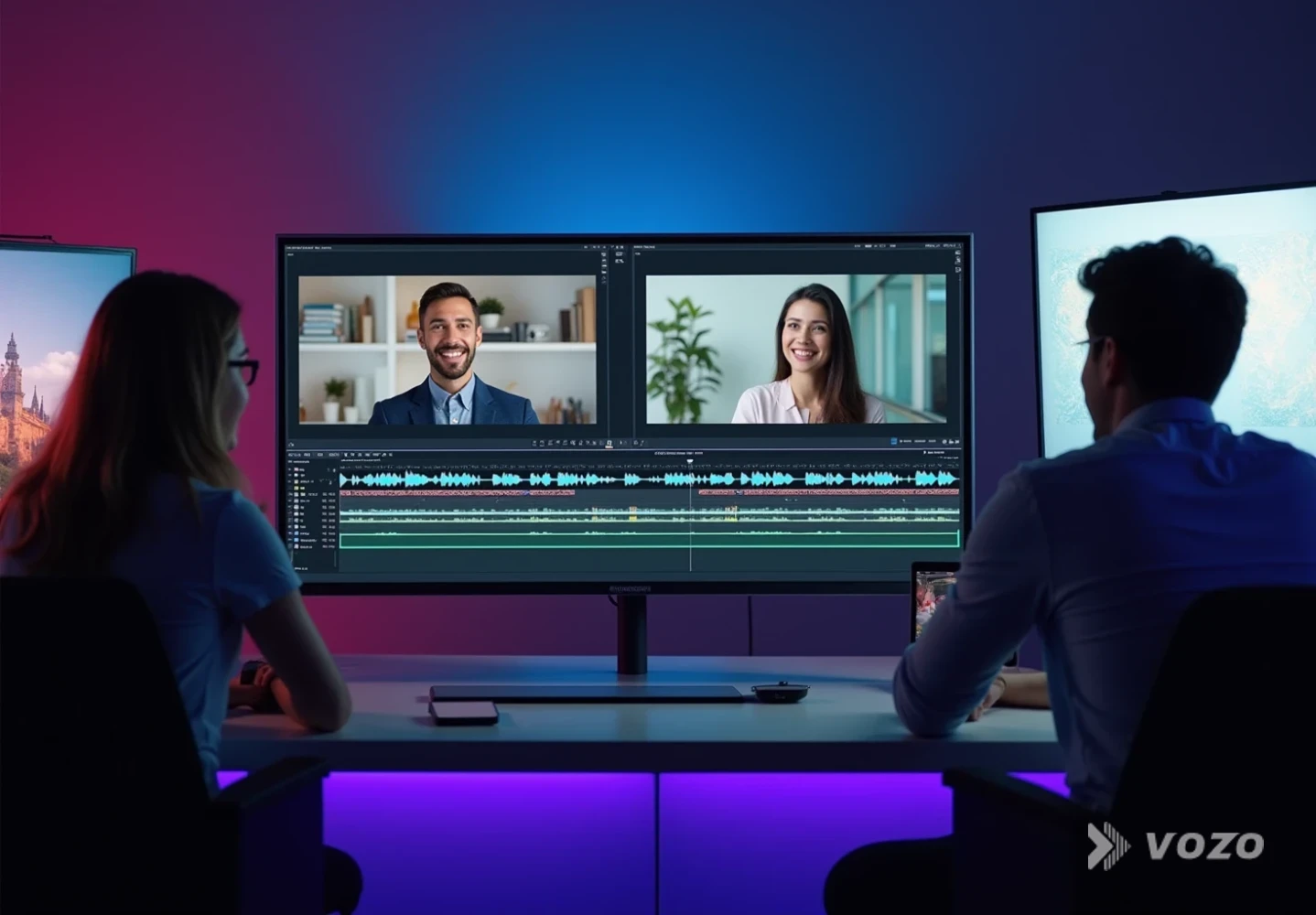
- Die besten Produktdemonstrationen
- Abschnitte mit der klarsten Problemlösungserklärung
- Momente mit starken sozialen Beweisen (Erfahrungsberichte, Live-Ergebnisse)
- Wichtige Einwände und Fragen (Versand, Größenordnung, Garantien)
Praktischer Ansatz:
- Ziehen Sie aus Ihren Videoanalysen Halte- und Abbruchpunkte.
- Markieren Sie Konversionsmomente, z. B. wenn der Gastgeber das Produkt in Großaufnahme zeigt, Varianten vergleicht oder Rückgaben erklärt.
- Erstellen Sie eine Auswahlliste von 10- bis 20-minütige Heldenschnitte und die vollständige Wiedergabe später zu lokalisieren, wenn die Ergebnisse dies rechtfertigen.
Warum das wichtig ist: Übersetzung und Synchronisation sind heute leicht zu skalieren, aber die Zeit für die Überprüfung und die Qualitätskontrolle der Marke sind immer noch ein echtes Hindernis. Sie gewinnen, wenn Sie die Teile lokalisieren, die tatsächlich konvertiert werden.
Schritt 2: Entscheiden Sie sich für eine Lokalisierungsmethode (Untertitel, Synchronisation oder Synchronisation mit Lippensynchronisation).
Es gibt nicht die eine beste Methode für internationale Live-Commerce-Videoübersetzung. Wählen Sie auf der Grundlage Ihrer Zielgruppe, Plattform und Konversionsziele.
Gute Standardentscheidungsregel
- Wenn die Zuschauer mit ausgeschaltetem Ton zuschauen (viele soziale Feeds): beginnen Sie mit Untertitel
- Wenn Sie hochpreisige Produkte verkaufen oder Vertrauen und Nuancen brauchen: verwenden Sie Überspielen
- Wenn die Anwesenheit des Gastgebers vor der Kamera sehr wichtig ist, sollten Sie Synchronisation plus Lippensynchronisation
Wenn Sie ein einziges Tool benötigen, das den gesamten Arbeitsablauf abdeckt, Vozos Video-Übersetzer ist eine starke redaktionelle Wahl für Live-Shopping-Wiederholungen, weil es unterstützt Übersetzung in über 160 Sprachen, natürliches Dubbing, Stimmenklonen mit VoiceREAL™, fakultativ Lippensynchronisation mit LipREAL™, und einen integrierten Korrektureditor, mit dem Teams das Ergebnis schnell verfeinern können, ohne mit mehreren Anwendungen jonglieren zu müssen.
Schritt 3: Aufbau eines Arbeitsablaufs, bei dem die Abschrift im Vordergrund steht
Live-Commerce-Audio ist chaotisch: Unterbrechungen, Gelächter, sich überschneidende Reden, Produktnamen und Schnellfeuerwerbung.
Mit einem Arbeitsablauf, bei dem die Abschrift im Vordergrund steht, behalten Sie die Kontrolle:
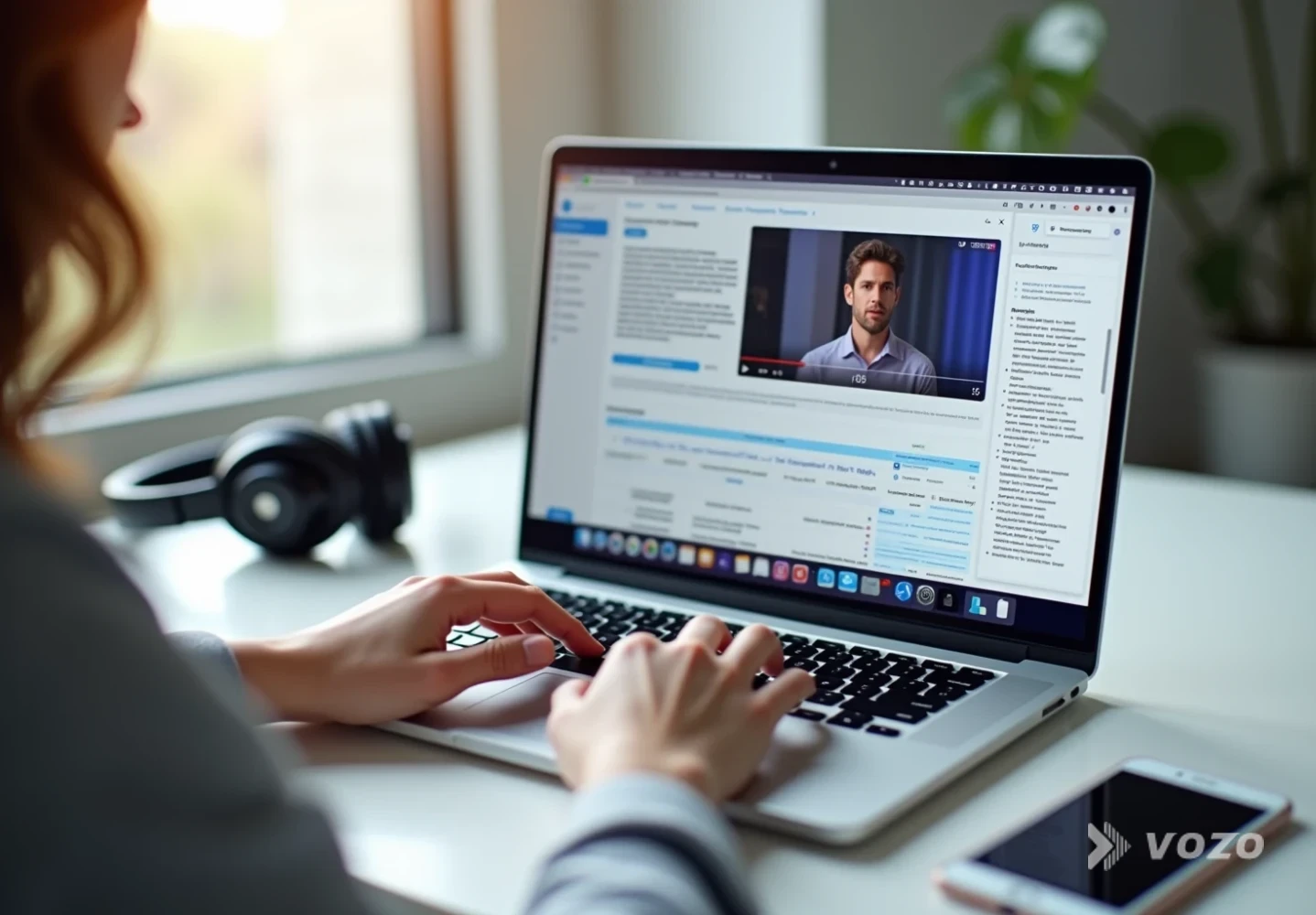
Transcript-first-Workflow
Transkribieren Sie die Aufzeichnung
Die Abschrift bereinigen
Übersetzen aus dem bereinigten Skript
Erzeugen von Untertiteln und synchronisiertem Ton
Wenn Sie nach der Übersetzung an der Formulierung feilen oder das Timing anpassen müssen, ohne neu aufnehmen zu müssen, Sprachstudio (Videoumschnitt) ist nützlich, weil Sie damit Zeilen in einem textbasierten Editor umschreiben und redubben können, was viel schneller ist als die herkömmliche Audiopost.
Schritt 4: Lokalisierung von Handelsdetails, nicht nur der Sprache
An dieser Stelle beginnt die Lokalisierung der Wiedergabe, die nicht nur das Verständnis, sondern auch die Konversion verbessert.
Verwenden Sie eine auf den Einkauf zugeschnittene Lokalisierungs-Checkliste:
- Währung und Preise
- Anzeige der richtigen Währungs- und Rundungskonventionen
- Vermeiden Sie mentale Reibung (ein Konversionskiller)
- Einheiten und Dimensionierung
- Zoll in Zentimeter, Pfund in Kilogramm, Fahrenheit in Celsius umrechnen
- Größentabellen und Passformberatung lokalisieren
- Versand, Rückgabe, Garantie
- Vergewissern Sie sich, dass die Wiedergabe das tatsächliche Angebot in dieser Region widerspiegelt.
- Kulturelle Beispiele
- Ersetzen Sie nicht zutreffende Verweise (Feiertage, Redewendungen, lokale Trends)
- Regulatorische Zwänge
- Behauptungen über Ergebnisse, Inhaltsstoffe oder Garantien können regionsspezifische Einschränkungen haben
Ein konkretes Beispiel (basierend auf der von XTM beschriebenen gängigen E-Commerce-Lokalisierungspraxis): Eine Produktdemo kann neu gedreht oder umgeschrieben werden, so dass die britische Variante die lokalen Einheiten und den Kontext verwendet, während die deutsche Variante zu Euro, metrischen Maßen und anderen Außenbildern wechselt. Auch wenn Sie nicht neu drehen, können Sie Overlays und Audio lokalisieren, um die lokalen Erwartungen zu erfüllen.
Schritt 5: Wählen Sie die richtige Sprachstrategie
Beim Live-Shopping ist die Stimme die Überzeugungskraft. Wenn der Tonfall des Gastgebers ein wichtiger Grund für den Kauf ist, muss Ihre Synchronstimme mit dem Original übereinstimmen.
Optionen:
- Neutrale AI-StimmeSchnellste, oft gut geeignet für funktionale Demos
- Klonen von StimmenAm besten, wenn der Gastgeber die Marke ist oder wenn die Wiederholung eine emotionale Erzählung enthält.

Wenn Sie die Identität des Sprechers über mehrere Sprachen hinweg beibehalten wollen, können Sie Vozos AI-Vertonung und Audio-Übersetzer sind genau dafür gedacht: Ton und Emotionen konsistent zu halten und gleichzeitig neue Sprachen zu produzieren.
In einem Artikel von 2026 Streaming Media wird darauf hingewiesen, wie sehr sich die Qualität der KI-Synchronisation verbessert hat, und es werden groß angelegte Einsätze genannt, bei denen die Stimme und das Gefühl des Originalkommentars erhalten bleiben. fast 200 Sprachen für Live- und On-Demand-Szenarien. Die Schlussfolgerung für Handelsteams ist einfach: Hochwertige Synchronisation ist nicht mehr für riesige Medienbudgets reserviert, aber QA ist immer noch wichtig.
Schritt 6: Timing und Synchronisation festlegen
Zwei technische Probleme erschweren die Wiederholung von Übersetzungen:
- Untertitel: Timing die sich übereilt oder verspätet anfühlt
- Synchronisiertes Audio die nicht mit dem Mund des Sprechers synchronisiert sind oder Szenenschnitte
Bewährte Praktiken:
- Bemühen Sie sich um kürzere Untertitelzeilen und eine natürliche Lesegeschwindigkeit.
- Vermeiden Sie es, zu viele Klauseln in eine Überschrift zu packen.
- Kürzen Sie bei Bedarf nach. Eine Pause von zwei Sekunden kann dafür sorgen, dass eine übersetzte Zeile wie eine eigene Sprache wirkt.
Wenn die Moderatorin oder der Moderator vor der Kamera prominent ist (Schönheit, Mode, Fitness), kann eine Fehlanpassung der Lippen das Vertrauen mindern. Verwenden Sie in solchen Fällen einen speziellen Lippensynchronisationspass wie Lippensynchronisation um die Mundbewegungen mit dem übersetzten Ton abzugleichen, insbesondere bei Nahaufnahmen.
Schritt 7: Lokalisierte Versionen wie ein System veröffentlichen
Caast weist auf einen wichtigen Trend für 2026 hin: Die Wiederholung ist jetzt ein dauerhaftes Marketingmittel, das oft durch die Shoppable-Video-Technologie verbessert wird. Die Übersetzung vervielfacht diesen Wert, wenn Sie die Verteilung operationalisieren.
Ein einfaches Veröffentlichungssystem:
- Lokalisieren Sie die Titel, Beschreibung und Kontext der Miniaturansicht für jede Region (nicht nur für das Video)
- Hochladen pro Sprache in die richtigen Kanäle (Website-Einbettung, Marktplatz-PDP, soziale Netzwerke)
- Erstellen Sie einen Post-Live-Kalender:
- Tag 1: Vollständige Aufzeichnung lokalisiert
- Tage 2 bis 14: lokalisierte kurze Clips aus der Aufzeichnung (beste Momente)
Zum Skalieren von Clips, Lang zu Kurz ist ein praktisches Add-on, da es eine lange Wiederholung in mehrere kurze Segmente umwandelt, die Sie dann übersetzen und für jeden Markt überspielen können.
Schritt 8: QA mit nativer Überprüfung, wo es darauf ankommt
KI sorgt für Geschwindigkeit. Der Mensch schützt den Sinn.
Verwenden Sie ein hybrides QA-Modell:
- Einheimischer Rezensent Kontrollen:
- Korrektheit der Produktterminologie
- Tonfall (zu förmlich, zu leger, zu verkaufsorientiert)
- Kulturelle Warnsignale
- Compliance-relevante Forderungen
- Ihr Team Kontrollen:
- Angebotsgenauigkeit (Versand, Retouren, Bundles)
- Konsistenz der SKU- und Variantenbezeichnungen
- Zeitmessung und Bildschirmgrafiken
Dies entspricht den allgemeinen Richtlinien in der Übersetzungspraxis: Kulturelle Nuancen und Redewendungen erfordern oft ein muttersprachliches Urteilsvermögen, und die Synchronisierung ist eine häufige technische Herausforderung, wenn sie nicht überprüft wird.
Schritt 9: Messung der Lokalisierungsleistung mit Replay-First-KPIs
Die Lokalisierung von Wiederholungen sollte anders gemessen werden als die von Live-Übertragungen.
Titel:
- Konversionsrate bei der Wiedergabe durch Sprache
- Add-to-cart-Rate von Replay-Zuschauern
- Überwachungszeit und Aufbewahrung zu wichtigen Produktzeitpunkten
- Abgabe während der Preis- und Versandabschnitte (oft ein Lokalisierungsproblem)
- Supportanfragen oder Kommentare die auf Verwirrung hinweisen (Einheiten, Größenordnung, Lieferung)
Warum so detailliert? Caast stellt fest, dass 2026 Live-Commerce-Teams über die einfache Anzahl der Aufrufe hinausgehen und zu präziseren KPIs übergehen. Die Lokalisierung macht diese KPIs besser umsetzbar, da sie versteckte Reibungsverluste reduziert, die die Analytik sonst nicht erklären kann.
Vor- und Nachteile der einzelnen Methoden
Untertitel (übersetzte Untertitel)
Profis
- Am schnellsten zu produzieren und zu aktualisieren
- Geringste Kosten im Maßstab
- Hervorragend geeignet für stille Betrachtung und Zugänglichkeit
Nachteile
- Fühlt sich für überzeugungsintensives Verkaufen weniger fesselnd an
- Kann bei schnellen Demos unübersichtlich werden
- Hilft nicht den Zuschauern, die lieber hören als lesen
Synchronisation (neusprachiger Ton)
Profis
- Natürlicher und höheres Vertrauen für viele Zielgruppen
- Besser für lange Wiederholungen und komplexe Erklärungen
- Kann das Engagement steigern, wenn der Ton beibehalten wird
Nachteile
- Erfordert QA für Aussprache, Produktnamen und Rhythmus
- Ohne sorgfältige Synchronisierung kann sich das Timing falsch anfühlen.
Synchronisation plus Lippensynchronisation
Profis
- Stärkstes "Made-for-me"-Gefühl für host-geführten Handel
- Am besten geeignet für Gespräche von Angesicht zu Angesicht und aus nächster Nähe
Nachteile
- Mehr Zeit für die Bearbeitung und Überprüfung
- Nicht für jede Kategorie oder Plattform erforderlich
Ein praktischer Beispiel-Workflow (wiederholbar für jede Wiederholung)
Hier ist ein realistischer Arbeitsablauf für Live-Shopping Video Übersetzung E-Commerce Teams:
Schritt-für-Schritt-Arbeitsablauf für die Wiederholungslokalisierung
Erstellen Sie Ihre Schnittliste
Transkribieren und Reinigen des Skripts
Übersetzen des Drehbuchs und der Untertitel
Synchronisiertes Audio generieren
Untertitel-Timing und Audio-Drift korrigieren
Lokalisierung von Overlays und Angeboten für den Handel
Lippensynchronisation hinzufügen, wenn Vertrauen davon abhängt
Native Review für Top-Märkte durchführen
Veröffentlichen, messen und nach Sprache iterieren
Wenn Sie dies für Ihren Stapel skalieren müssen, können Sie die Vozo-API ist eine Überlegung wert, weil Sie damit Übersetzung, Synchronisation und Lippensynchronisation in Ihre eigene Publishing-Pipeline integrieren können, einschließlich der Automatisierung für hochvolumige Wiederholungsprogramme.
Wie man ein Live-Ereignis in eine globale Wiedergabemaschine verwandelt
Die Übersetzung von Live-Commerce-Wiederholungsvideos für ein internationales Publikum ist nicht länger ein Nice-to-have. Da die meisten Verkäufe durch Wiederholungen zustande kommen, ist die Lokalisierung eine der saubersten Möglichkeiten, den Umsatz mit demselben Produktionsaufwand zu steigern.
Der erfolgreiche Ansatz im Jahr 2026 ist nicht die Übersetzung am Ende. Es geht darum, einen lokalisierungs- und transkriptgesteuerten Arbeitsablauf aufzubauen, die richtige Methode zu wählen (Untertitel, Synchronisation oder Synchronisation plus Lippensynchronisation) und die Details, die Kaufentscheidungen beeinflussen, wie Währung, Einheiten und Versandregeln, konsequent zu lokalisieren.
Wenn das Ziel darin besteht, schnell hochwertige lokalisierte Wiedergaben zu liefern, beginnen Sie mit Vozo Video-Übersetzer für mehrsprachige Synchronisation und Untertitel, dann fügen Sie Lippensynchronisation wenn Vertrauen vor der Kamera ein entscheidender Faktor für die Konversion ist.
